
Case Studies
SEWA Women highlight their lives and stories. Our grassroots women take on the mantle of leadership and fit well into self-selected positions of responsibility, to become advocates and grassroots champions for the women around them. It is the work and lives of our women that make the SEWA Sangathan the force it has been since 1984. Read on for a few stories from our communities.
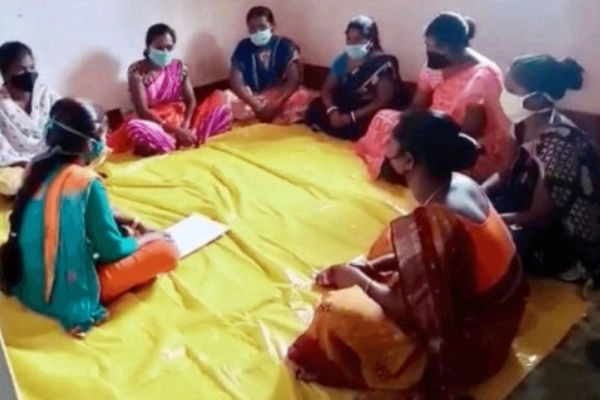
All for One, One for All
Soniya ben stays with her parents and children in Farukh Nagar after leaving her husband’s home because of domestic violence. Since then, she has wanted to be financially independent and build a secure future for her children. But fewer years of education and lack of information made it difficult for her to pave a path towards it.
Unafraid of New Beginnings
Savita ben migrated from Rewari district to Haryana’s Farukh Nagar with her husband and three children in search of better job opportunities. Although she ad her husband worked as a primary school teacher and as an electrician respectively, their collective income couldn’t meet the family expenses.

FEEDING MIGRANT WORKERS
The lockdown imposed due to the outbreak of the COVID-19 virus adversely affected the migrant workers who lost accessibility to basic services. In Uttar Mainpura, Patna, SEWA aagewans brought attention to the hunger-stricken conditions of migrant workers, who feared dying of hunger due to the pandemic.
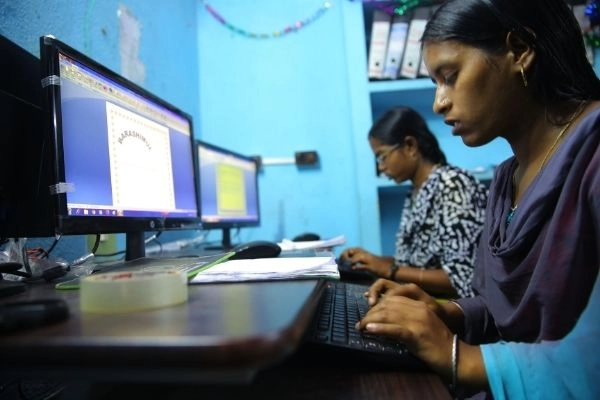
Educating Strangers Through the Internet
Parveen belongs to a poor family in Jaipur, Rajasthan. She assists her parents in their lacquer craft business. She has been associated with SEWA for the past one year, where she started with learning stitching and is now a Micro-Enterprise Leader (MEL) for the Digital Beti Project.

Navigating the Internet
Renu Ben, a domestic worker and didn’t have a ration card. She hadn’t been paid in March and April and her family was running very low on rations. The local SEWA team informed her about the e-coupon system that SEWA Delhi lobbied for, which would allow those without the necessary documentation to avail ration services. It required registering for an e-coupon.

Rubina and Mehrunisha’s tale of Sisterhood
Rubina Ben hails from Basti Shastri Nagar, Jaipur. Due to complications with her first pregnancy, Rubina Ben had to deliver her child through an operation, which would prove to be the only way to birth her second child as well. She got herself a card at the Jana Hospital for further medical assistance.