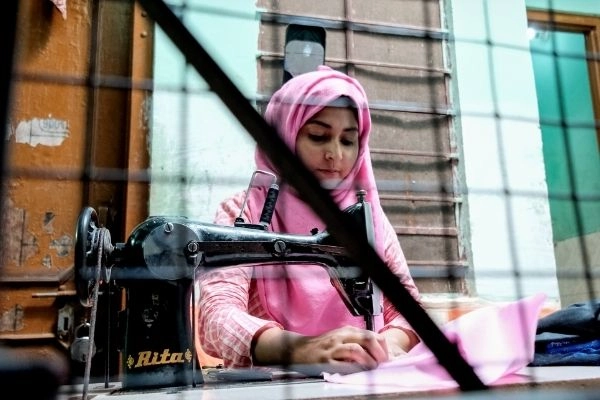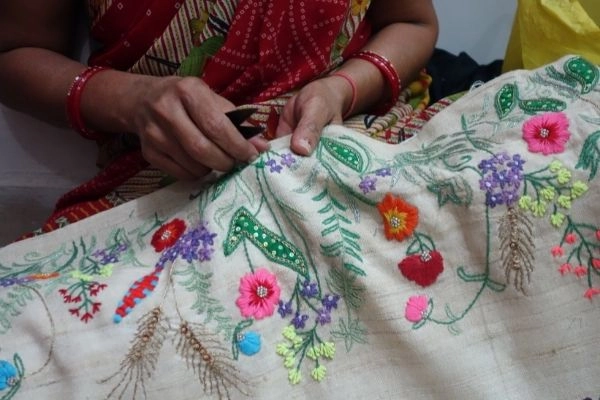
Over the past forty years, women in India have made gains in health and education, but they continue to lag behind in economic participation.

In 2019, female labour force participation went down by 6 percentage points, to 20.3%, and steadily declining since. 95% of women-owned businesses exist only as informal enterprises and have turnovers of less than 50 lakhs per annum. 

Micro Finance

98% of beneficiaries are women,
but 95% of the employed staff are men

Agriculture

Women do 75% of the farm labour, 2X the amount of work as male farmers, while owning only 12.8% of the land

Cooperatives

Less than 3% cooperatives and farmer producer companies have women on their Boards

0
Chosen Enterprises
0X
Average Revenue Growth
0
Women Impacted

When women are recognized and grow as economic actors – workers, producers, economic actors – it transforms communities

SEWA aims to support the broad aim of women’s economic empowerment by addressing the practical need of women for more income-generating work. Our work has consistently shown that when a woman enters the economy and starts earning money, it transforms their position not just in the household, but transforms their local communities and markets, and initiates their involvement in state affairs. This is even more powerful when women are not just workers, but also owners of their businesses.

Cohort 2020-2023
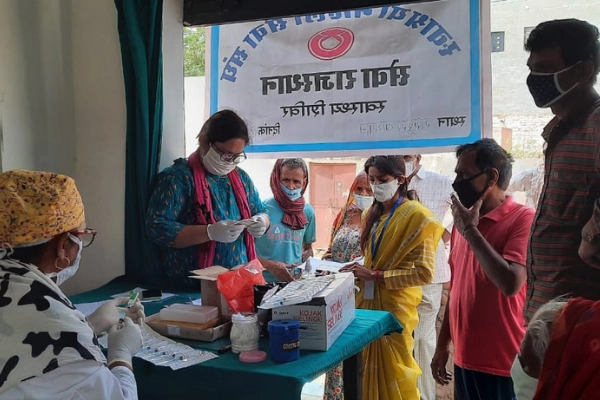
SEWA Bharat’s research on the COVID-19 pandemic

Microentrepreneurship

According to NSS 2015 data, 20% of all enterprises in India are owned by women, but only a mere 2.7% of these employ 3 or more people, and over 78% are home-based.

SEWA Bharat has worked extensively with its vast membership base to both redefine who a microentrepreneur is, as well as create an enabling environment that can meet the specific needs of women microentrepreneurs.

Read more

SEWA Bharat’s research on microentrepreneurship

Collective Social Enterprises

A novel way is when women come together, pool resources, and set up collective businesses, where Women are Owners, Women are Managers and Women are Users.

Over 50 years, members of SEWA have promoted 150+ collective social enterprises across different industry sectors.

Read more

SEWA Bharat’s research on women's collective enterprises

Women’s Enterprise Support System

Since most of our members have never been business owners themselves, SEWA supports women in organizing in groups, pooling resources, registering collective businesses, and developing these as financially sustainable businesses, which are Women-Owned and Women-Run.

The WESS is designed to provide holistic services, along with handholding support, for grassroots women in business: any sector, any stage, any place.

Read more

Frequently Asked Questions

SEWA Bharat supports women’s entrepreneurship through three programmes: microentrepreneurship, which creates an enabling environment for women microentrepreneurs; collective social enterprises, where women pool resources to run businesses together; and the Women’s Enterprise Support System (WESS), which provides holistic services and handholding support for grassroots women in business.

A collective social enterprise is a business that women set up together by pooling their resources, where women are the owners, managers and users. Over 50 years, members of SEWA have promoted more than 150 collective social enterprises across different industry sectors.

When a woman enters the economy and starts earning money, it transforms her position in the household, her local community and markets, and begins her involvement in state affairs. This impact is even more powerful when women are not just workers but also owners of their businesses.

95% of women-owned businesses in India exist only as informal enterprises with turnovers below 50 lakhs a year. Women own 20% of all enterprises, but only 2.7% of these employ three or more people and over 78% are home-based. Fewer than 3% of cooperatives and farmer producer companies have women on their boards.

Get in touch with a representative