Governance
Senior Advisory Committee
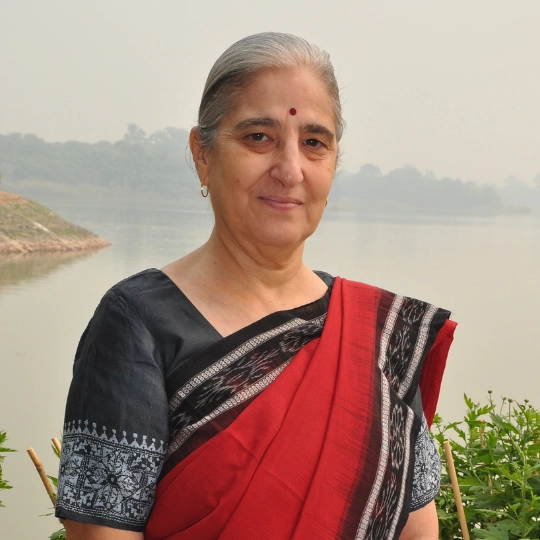
Renana Jhabvala
Renana Jhabvala offers strategic guidance and leadership to SEWA Bharat. Her role has been pivotal in organising informal economy women workers, helping them collectivise for better access to their rights and form cooperatives, collective enterprises and financial institutions.
She has been associated with SEWA since 1978 in a number of roles within the SEWA movement, with a particular focus on overseeing the movement’s expansion and diversification. She is the co-founder of many organisations within the SEWA movement and the movement of informal workers, including Mahila Housing SEWA Trust, SEWA Bharat, SEWA Delhi, SEWA Grih Rin Limited (Now Sitaara Housing Finance Ltd), HomeNet South Asia and WIEGO (Women in Informal Employment: Globalizing and Organizing). In 1990, she was awarded the Padma Shri from the Government of India for her contributions to the field of social work.
She was a Member of UN Secretary General’s High-Level Panel on Women’s Economic Empowerment (2016-2017) and Chancellor of Gandhigram Rural University (2012-2017). As a thought leader in the space of women’s work, she has made critical contributions to an understanding of informality, measuring women’s work and basic income.
She is a prolific author – some of her publications include The City-Makers: How Women are Building a Sustainable Future for Urban India, co-authored by Bijal Brahmbhatt, Hachette India (2020); Basic Income: A Transformative Policy for India, co-edited by Sarath Davala, Soumya Kapoor Mehta & Guy Standing, Bloomsbury Publication (2014) and The Idea of Work, which she co-authored with Elaben R. Bhatt, Indian Academy of Self Employed Women (2012).
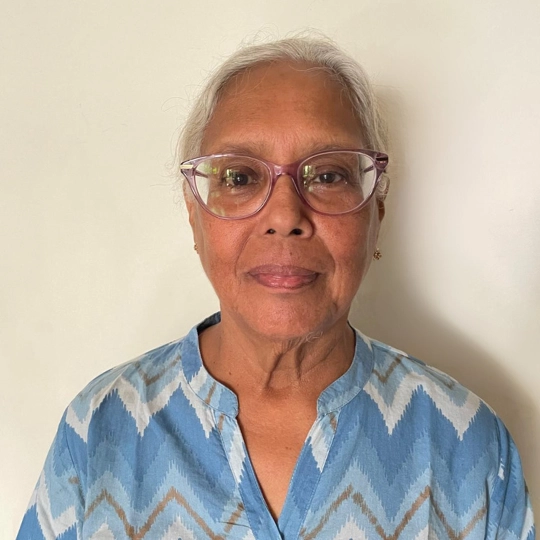
Nalini Nayak
Nalini Nayak is part of the ‘Senior Advisory Committee’ in the SEWA Bharat Board, and specifically lends her expertise to SEWA Bharat’s work with domestic workers, building the capacity of women community leaders (aagewans at SEWA), understanding violence in the world of work, and more recently – national and international migration of women workers. She draws on her 30 years of experience in organising women workers across India and as a vocal advocate for women workers’ rights globally.
Within the SEWA movement, she founded SEWA Kerala in 1984, which came into existence as part of a search to find alternative livelihoods for women workers who had lost their livelihoods as a result of the economic crisis and its impact on the traditional economy. She is a key figure globally in supporting the rights of fish workers, and is the founder member of the International Collective in Support of Fishworkers, where she has taken the initiative to collectively evolve a feminist perspective in fisheries. She has assisted in building fisherwomen’s groups in several countries to enhance their role and space in fish sales.
As an Ashoka Fellow, she undertook the regeneration of mangrove ecosystems in three estuaries in South India as a way to safeguard the fisheries’ habitat. She has served as a member of the Consultative Team on Gender Concerns in the development of fisheries in Mozambique and as an invitee to the National Committee of the National Fishworkers Forum, India. For the first decade of its existence, Nalini ben was the National Coordinator of the National Platform of Domestic Workers, which brought together unions of domestic workers from all over the country in an effort to advocate for a comprehensive legislation for domestic workers in India.

Manorama Joshi
Manorama Joshi is part of the ‘Senior Advisory Committee’ in the SEWA Bharat Board and has previously served as its General Secretary from 1989 to 2009. Having heard about Elaben’s work with SEWA in Gujarat, Manorama ben started organising women workers in Madhya Pradesh. SEWA Madhya Pradesh (SEWA MP) was founded by Manorama Joshi in 1985 in Indore. At present, SEWA MP works with 6.5 lakh women working in the informal economy in 16 districts of Madhya Pradesh. She also founded Credit and Industrial Co-operatives, and other organisations in the state of Madhya Pradesh.
As the General Secretary of SEWA Bharat, she was deeply involved in promoting SEWA Bharat’s work in Bihar, Rajasthan, Delhi, and West Bengal. She was a member of many decision-making bodies of Madhya Pradesh’s state government and was deeply involved in bringing informal economy workers laws in Madhya Pradesh. For her dedication towards the poor women and their families, she was awarded the first Rajmata Vijayaraje Award in 2007 by the state government of Madhya Pradesh.
Board Members
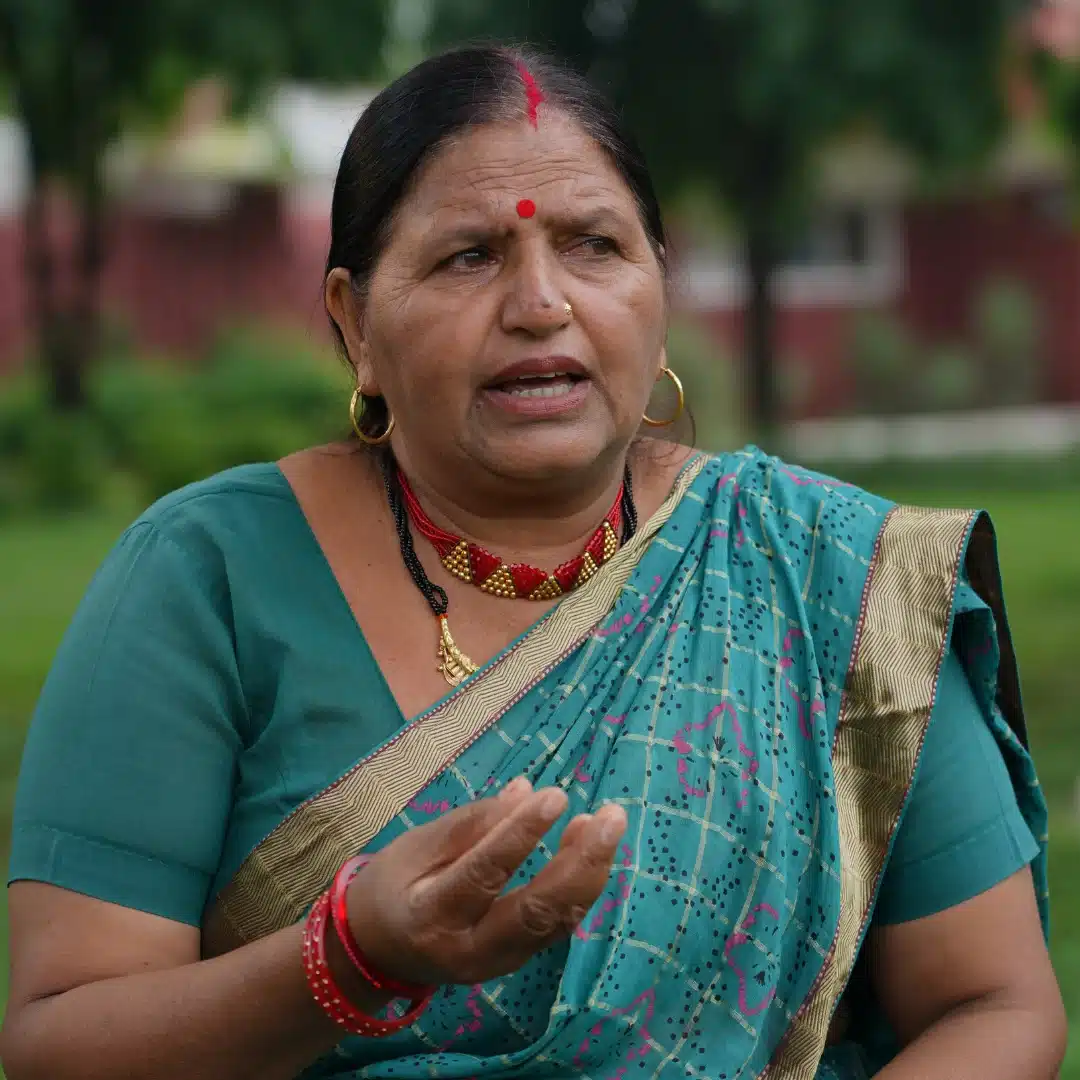
Nirmala Devi
Nirmala Devi serves as the President at SEWA Bharat. She is a seasoned grassroots leader and social development professional from Devprayag, Uttarakhand, with over 25 years of experience in rural development, women’s empowerment, and community mobilisation. She has played a pivotal role in forming and strengthening Self-Help Groups (SHGs), promoting sustainable livelihoods, and linking women with government welfare schemes.
A long-time member of SEWA Uttarakhand, she has trained hundreds of women in financial literacy, microfinance, and food processing, while also supporting local entrepreneurship in agriculture and animal husbandry. Her leadership was instrumental in expanding the SHG network in her region from 100 to over 6,000 members, and in facilitating assistance for more than 2,000 disaster-affected families during crises such as the Uttarakhand floods and the COVID-19 pandemic.
Throughout her career, she has collaborated with institutions like NABARD, NRLM, and Tata Himothan, contributing to large-scale community development and women-led livelihood programs. Her dedication to empowering rural women, fostering financial inclusion and promoting sustainable practices continues to inspire the next generation of community leaders in Uttarakhand.
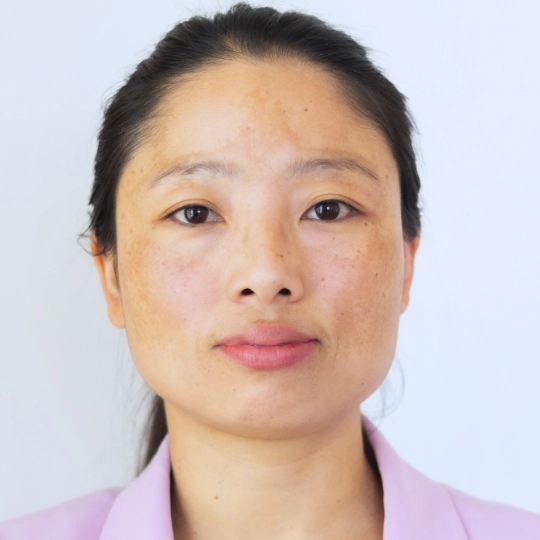
Wekoweu Tsuha
Wekoweu Tsuha serves as the Vice-President at SEWA Bharat. She has led the SEWA Nagaland team in organising women workers since 2013 and was instrumental in setting up SEWA Nagaland as a registered Trade Union in 2019 under the Directorate of Labour & Employment, Government of Nagaland. Since then, she has acted as an Associate Member of SEWA Nagaland, mentoring SEWA organisers and members, and representing SEWA Nagaland at SEWA Bharat.
Committed to working for gender and environmental justice, she has 2 decades of experience in the development space, having managed multiple projects, diverse teams, and community programmes in Nagaland. She has worked with the North East Network (NEN), a women’s rights organisation, where she has played a pivotal role in facilitating SEWA’s organising work in Nagaland. Her work has been instrumental in shaping sustainable development models that centre grassroots women’s movements and foster women’s leadership.
She has been a critical actor in pushing for strengthening local food systems and promoting sustainable farming practices, such as community seed banks and farmers’ markets. She also works towards the advancement of rural women’s rights through organising, awareness raising, capacity building, and networking with women organisations, civil society organisations and government.
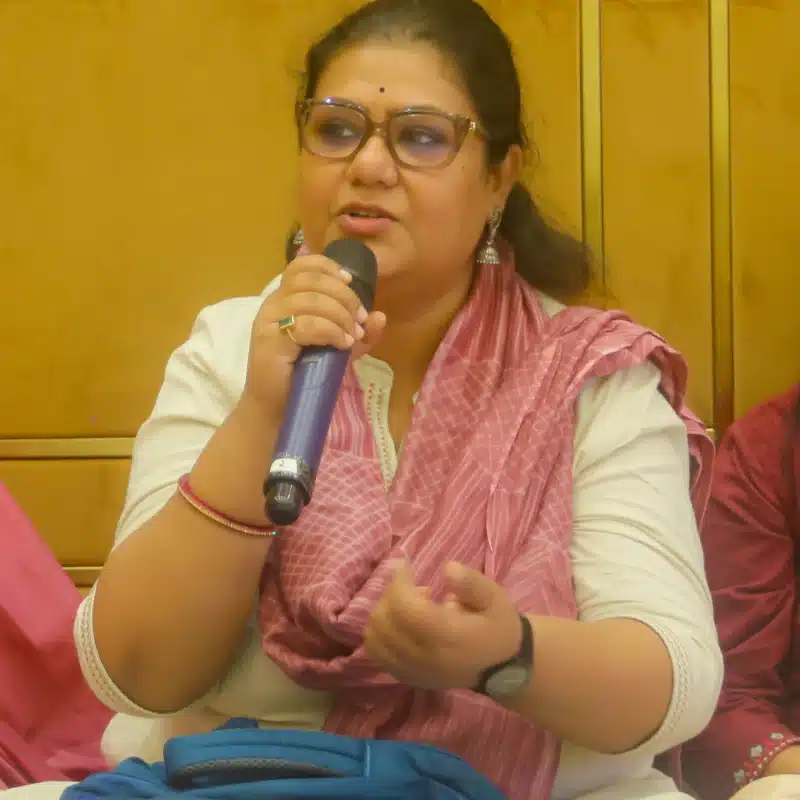
Dr. Sushmita Goswami
Dr. Sushmita Goswami is the Vice-President & State Coordinator for Bihar at SEWA Bharat, where she works with women in the informal economy to strengthen their capacities, ensure fair wages and decent working conditions, and promote women-led social enterprises. Her work combines development and justice, focusing on leadership building, programme design, and collaboration with civil society to advance women workers’ rights and livelihoods.
With over a decade of experience in the development sector, Dr. Goswami holds a PhD in Economics from Patna University. She began her journey with SEWA Bharat as a Research Coordinator, contributing to the landmark study Shramjeevani (2014) on women in the informal economy. She played a pivotal role in expanding SEWA’s organising work among domestic and construction workers in Bihar and Jharkhand and now serves as the Managing Trustee of SEWA Sangini Mutual Benefit Trust, supporting domestic workers through training, collective bargaining, and advocacy.
Her interests lie in gender and work, informal sector economics, and women-led social enterprises. She has co-authored several studies on women’s livelihoods, gender in value chains, and financial inclusion, supported by organisations such as SIDBI, UNFPA, and the OAK Foundation. Dr. Goswami continues to champion women’s economic rights through research, advocacy and grassroots leadership development.
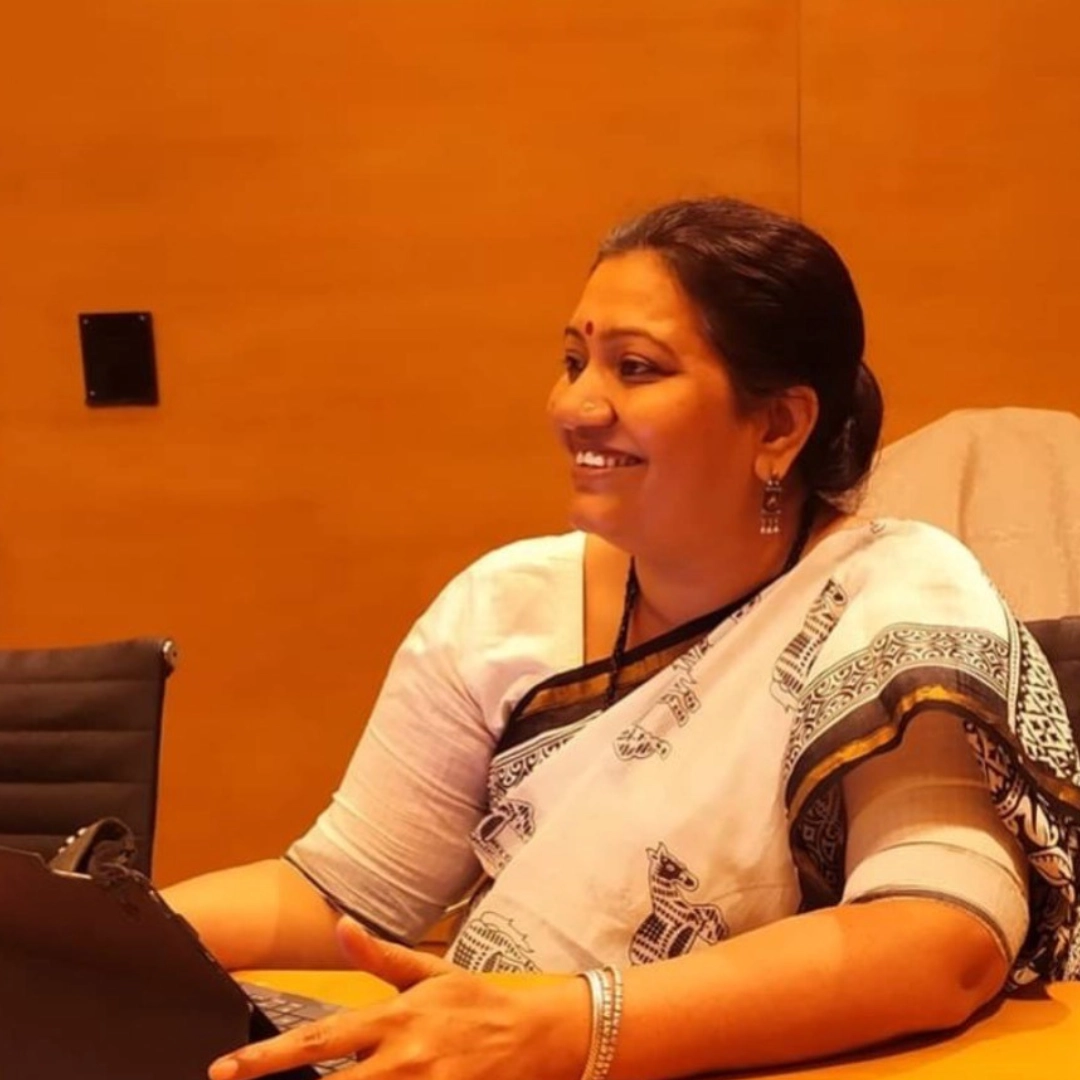
Shikha Joshi
Shikha Joshi is the current General Secretary of SEWA Bharat. She guides SEWA Bharat and its member institutions in designing work that keeps SEWA values, vision and mission at its core. She has a specific focus on building up work at the state level, supporting them in their strategies to solve issues of members, collaborating with government departments and ministries, and strengthening their governance structures.
She has been a part of SEWA since 1995 and is currently serving as General Secretary, SEWA MP (Swashrayee Mahila Sewa Sangh Madhya Pradesh). She has been deeply involved in mobilising and organising informal women workers in Madhya Pradesh for their due entitlements and recognition of their hard work in the mainstream, closely working with policy-makers for fair implementation of laws and policies, and formulation of new laws which are favourable for the informal economy workers. Additionally, she is also engaged in developing training modules for women, grassroot community leaders (aagewans), and organisers on important topics such as rights and entitlements, social security, and SEWA’s vision and mission.
She plays an essential role in leading different research studies for informal economy workers. She represents SEWA in different decision-making bodies formulated by the Madhya Pradesh and Delhi state governments. She is also active at the international level and a representative in IUF Asia Pacific Regional Committee and the Board of StreetNet organisation.
She has also initiated a cultural movement in Madhya Pradesh. Its goal is to amplify the voices of women workers in the informal economy through songs, street theatres, and dramas. Currently, SEWA MP boasts a collection of approximately 500 songs and 35 plays, all authored by women workers with the assistance of professionals. Of these, 100 songs have been recorded in the voices of women workers themselves.
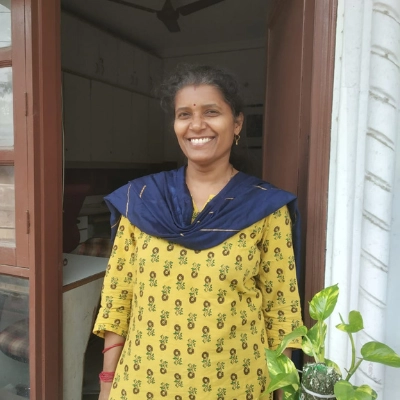
Smarnika Nayak
Smaranika Nayak is the Secretary at SEWA Bharat and the CEO of the Mahila SEWA Delhi Credit Cooperative, bringing over 19 years of experience in financial management. She leads organisational budgeting, financial systems strengthening, compliance, and strategic financial planning across SEWA Bharat, while also overseeing the cooperative’s credit operations and governance to ensure transparent and accessible financial services for women workers.
Associated with SEWA Bharat since 2005, Smaranika ben previously served as Finance Manager for more than a decade, managing donor reporting, project finances, audits, statutory compliance, and capacity building of finance teams. She is an active member of SEWA Bharat’s Internal Management, Purchase, Core and Finance Committees. Her expertise spans financial management, internal controls, cooperative finance, budgeting and institutional development. She holds an MBA in Finance from NIMS, Delhi, and a Master’s degree in Economics from Odisha. Smaranika ben continues to play a key role in strengthening SEWA Bharat’s governance, women-led cooperatives and social enterprises through her financial leadership and deep commitment to institution-building.
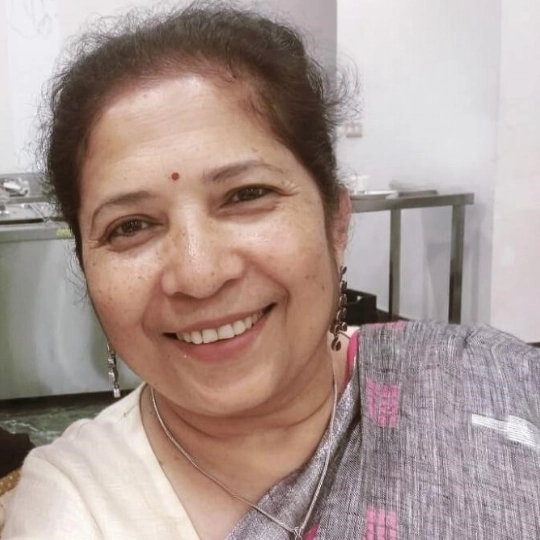
Sanchita Mitra
Sanchita Mitra is currently serving as the National Coordinator of SEWA Bharat. She completed her Chartered Accountancy from ICAI in 1990. She served in Business Advisory Services at PricewaterhouseCoopers from 1990-2001. Her journey with SEWA Bharat began in the year 2005 from Delhi, where she took up the responsibility of strengthening the community-led microfinance programme in the states of Delhi, Bihar, Uttarakhand, West Bengal, UP and Rajasthan. Initially, starting with an SHG (Self-Help Group) model, with her professional knowledge and experience, she was instrumental in setting up two state-level microfinance cooperative societies, one in Delhi and another in Bihar.
These were based on the learnings from SEWA Bank, keeping women at the centre of all strategies and management. She has led the Financial Inclusion programme in Uttarakhand, bringing 80,000 men and women in difficult mountainous terrain under a formal financial system. She directly oversees the development of new and developing SEWA institutions in eight states to strengthen the national movement through the integration of access to basic rights as workers and citizens, grassroot leadership, strengthening women microentrepreneurs and women-owned social enterprises locally.
She has initiated and supported various collaborative efforts with social sector organisations, government think tanks, academic and technical institutions to expand and deepen the work of women in the informal economy. She has also been part of various panel discussions and webinars to make systemic changes for scaling up outreach and impact to bring visibility of the women at the bottom of the pyramid to the outside world.